
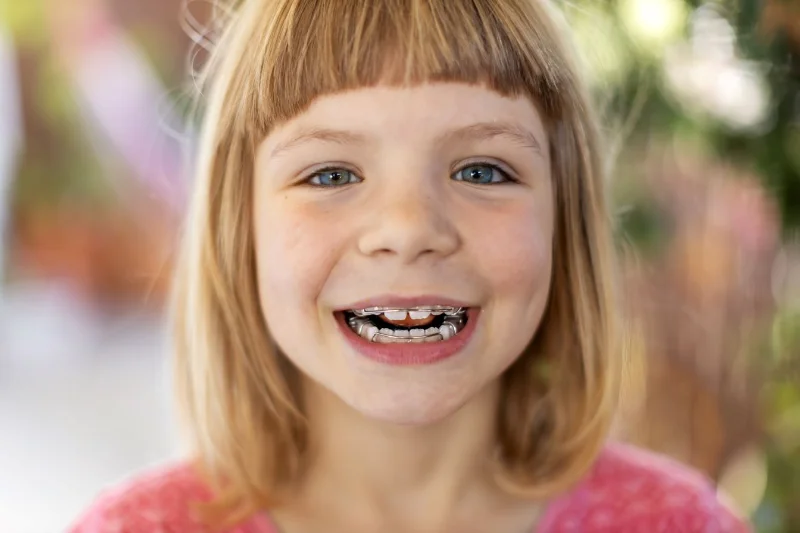
As your child grows, you may notice changes in the way their teeth look, how their bite comes together, or how comfortably they chew and speak. Some of these changes are a normal part of losing baby teeth and developing a permanent smile. Others may indicate that an orthodontic evaluation would be helpful.
Many parents eventually ask, “Does my child need braces?” The answer is not always obvious. Teeth can appear relatively straight while the jaws are not developing in proper alignment. In other cases, noticeable crowding may improve somewhat as the mouth grows. The best way to know is through a professional evaluation that considers your child’s teeth, bite, jaw development, oral habits, and stage of growth.
At Kids City Dental, we help Brighton families understand what is happening in their child’s developing smile and whether orthodontic care may be recommended. If you are researching braces for kids Brighton CO, the following seven signs can help you decide when it may be time to schedule an evaluation.
When Should a Child Have an Orthodontic Evaluation?
The American Association of Orthodontists generally recommends that children receive an initial orthodontic evaluation around age seven. This does not mean that every seven year old needs braces. At this age, however, children often have a combination of baby teeth and permanent teeth. This allows a dental professional to identify concerns involving tooth eruption, jaw growth, crowding, spacing, and bite development.
Some children benefit from early treatment, sometimes called interceptive orthodontics. Other children only need periodic monitoring until more permanent teeth arrive. Many will not begin comprehensive braces or clear aligner treatment until later.
An early evaluation provides information and options. It can help parents understand whether a problem should be addressed now, watched over time, or treated during the preteen or teenage years. When parents search for children’s orthodontics Brighton, they are often looking for exactly this kind of guidance rather than an immediate recommendation for braces.
Sign 1: Crowded, Overlapping, or Twisted Teeth
Crowding is one of the most recognizable signs a child needs braces. It occurs when there is not enough room in the dental arches for all the teeth to emerge in proper alignment. As a result, teeth may overlap, rotate, tilt, or erupt outside their ideal positions.
A small amount of irregularity can be normal when permanent teeth first appear. Adult front teeth are larger than the baby teeth they replace, so parents may be surprised by how crowded the smile looks during this transition. However, significant or persistent crowding should be evaluated.
Crowded teeth can affect more than appearance. Tight or overlapping areas may be difficult for a child to brush and floss thoroughly. Plaque and food can become trapped between teeth, potentially increasing the risk of tooth decay, gum inflammation, and bad breath.
An orthodontic evaluation can determine how much space is available and whether the child’s jaw is still likely to develop enough room. Depending on the situation, treatment may involve monitoring, creating space, guiding tooth eruption, or using braces at the appropriate stage of development.
Sign 2: An Overbite, Underbite, or Crossbite
A child’s bite describes how the upper and lower teeth meet. When the teeth or jaws do not line up correctly, the condition is called a malocclusion. Several types of bite problems may indicate a need for orthodontic care.
An overbite occurs when the upper front teeth overlap the lower front teeth too deeply. Some overlap is normal, but a pronounced overbite may cause the lower teeth to contact the roof of the mouth or make the upper front teeth more vulnerable to injury.
An underbite occurs when the lower front teeth sit in front of the upper front teeth. This can sometimes be related to differences in upper and lower jaw growth. Because jaw development is involved, early evaluation may be especially valuable.
A crossbite occurs when one or more upper teeth sit inside the lower teeth rather than outside them. Crossbites can affect the front or back teeth. In some children, a crossbite may cause the jaw to shift to one side when they close their mouth.
Bite problems are not always easy for parents to identify at home. Your child’s dentist can check the way the teeth come together and explain whether treatment or continued observation is appropriate. Families looking for an orthodontist for kids Brighton CO should seek a provider who evaluates both tooth alignment and facial growth.
Sign 3: Early, Late, or Irregular Loss of Baby Teeth
Most children begin losing baby teeth around age six, although every child develops at a slightly different pace. The sequence in which baby teeth fall out is often just as important as the exact age.
A baby tooth that is lost unusually early because of decay, injury, or extraction can allow nearby teeth to drift into the empty space. This may reduce the room available for the permanent tooth developing underneath. In some cases, a space maintainer may be recommended to preserve the opening.
Baby teeth that remain in place much longer than expected can also interfere with normal eruption. A permanent tooth may begin appearing behind, in front of, or beside the baby tooth. Some parents describe this as a “shark tooth,” especially when a lower adult tooth erupts behind a baby tooth that has not yet fallen out.
Irregular tooth loss does not automatically mean your child will need braces. It does mean their eruption pattern should be examined. Dental X rays may be used when appropriate to see the position of permanent teeth and determine whether they are developing and erupting normally.
Sign 4: Difficulty Biting or Chewing Food
Children may not always tell parents that chewing feels uncomfortable or inefficient. Instead, they may avoid certain foods, chew mostly on one side, take a long time to finish meals, or cut food into unusually small pieces.
Difficulty biting into foods such as sandwiches, apples, or pizza may be related to an open bite, significant overjet, missing tooth contact, or another alignment issue. If the back teeth do not meet correctly, grinding food may also be more difficult.
Not every chewing concern is orthodontic. Tooth decay, dental pain, loose baby teeth, jaw discomfort, enlarged tonsils, and sensory preferences may also affect eating. A dental examination helps identify the underlying reason.
When bite alignment is the cause, orthodontic treatment may improve function by helping the upper and lower teeth meet more effectively. This is an important reason that the question “Does my child need braces?” should not be answered based on appearance alone. Orthodontics can support comfortable biting, chewing, speaking, and long term oral health.
Sign 5: Prolonged Thumb Sucking, Finger Sucking, or Pacifier Use
Sucking is a natural reflex for babies and young children. Thumb sucking, finger sucking, and pacifier use can provide comfort and help a child settle. In many cases, children stop these habits on their own without causing lasting changes.
When a strong sucking habit continues as permanent teeth begin to erupt, however, it may influence the position of the teeth and the shape of the developing jaws. Possible effects include front teeth that flare outward, an open bite in which the front teeth do not touch, and changes in the width of the upper dental arch.
The frequency, duration, and intensity of the habit all matter. A child who occasionally sucks a thumb while falling asleep may be affected differently than a child who keeps a thumb in their mouth for many hours each day.
Parents should avoid shaming or punishing children for oral habits. Positive encouragement, reward systems, reminders, and professional guidance are usually more effective. Your child’s dentist can discuss age appropriate strategies and determine whether the habit has begun to affect tooth or jaw development.
Stopping the habit may allow some changes to improve naturally, especially in younger children. More established bite changes may require orthodontic treatment.
Sign 6: Mouth Breathing, Snoring, or Frequently Resting With the Mouth Open
Mouth breathing can occur temporarily when a child has a cold or nasal congestion. Frequent or ongoing mouth breathing deserves attention, particularly when it is accompanied by snoring, restless sleep, dry mouth, daytime fatigue, or difficulty concentrating.
Children may breathe through the mouth because of allergies, enlarged tonsils or adenoids, nasal obstruction, airway concerns, or habit. Persistent mouth breathing may also be associated with changes in oral posture and facial growth.
The relationship between breathing and orthodontic development is complex. Braces alone do not treat every breathing or sleep concern. A child may need coordinated evaluation by a pediatric dentist, pediatrician, orthodontist, allergist, sleep physician, or ear, nose, and throat specialist.
If your child regularly sleeps with their mouth open or snores, mention it during their dental appointment. This information can help the dental team look at the whole picture rather than focusing only on whether the teeth are straight.
Parents searching online for a kids orthodontist near me may be concerned about tooth alignment, but it is important to choose a dental team that also listens to concerns about sleep, breathing, oral habits, and overall development.
Sign 7: Jaw Shifting, Clicking, Protrusion, or Facial Asymmetry
Watch how your child opens and closes their mouth. Does the lower jaw shift to one side before the teeth fit together? Does the chin appear noticeably off center? Do the upper front teeth protrude far forward? Has your child mentioned clicking, popping, or discomfort near the jaw joints?
A jaw shift may occur when the teeth interfere with normal closure. For example, a crossbite can cause a child to move the lower jaw sideways to find a more comfortable position. Over time, this functional shift may influence the way the jaws grow.
Protruding front teeth may also be more susceptible to injury during falls, sports, or playground activities. Orthodontic treatment may sometimes be recommended to reduce that risk, although the timing depends on the child’s age, development, and individual needs.
Jaw clicking does not always indicate a serious problem, and many children experience painless sounds without requiring treatment. Clicking accompanied by pain, locking, limited opening, headaches, or difficulty eating should be evaluated.
Visible facial asymmetry can have many causes. A professional examination is needed to determine whether it is related to tooth alignment, jaw growth, normal developmental variation, or another condition.
Other Reasons Your Child May Benefit From an Evaluation
The seven signs above are common reasons parents ask about braces Brighton Colorado, but they are not the only reasons to schedule an orthodontic assessment. Your child may also benefit from an evaluation if there are large spaces between teeth, permanent teeth that are not erupting, extra teeth, missing teeth, frequent cheek biting, speech concerns, or a family history of significant orthodontic problems.
Your child may also be self conscious about their smile. While esthetics should not be the only factor considered, a child’s confidence and social comfort matter. The goal is not to pressure a child into treatment but to understand their concerns and discuss realistic options.
Does Every Child With Crooked Teeth Need Early Braces?
No. Many children with crooked teeth do not need immediate treatment. Some alignment concerns are best addressed after additional permanent teeth have erupted. In those cases, the dental team may recommend monitoring the child’s growth at regular visits.
Early treatment may be considered when waiting could make a problem more difficult to correct. Examples may include certain crossbites, significant jaw growth discrepancies, severe crowding, harmful oral habits, or front teeth that are especially vulnerable to trauma.
When early treatment is recommended, it is sometimes completed in two phases. The first phase addresses a specific developmental concern while the child still has some baby teeth. The second phase, if needed, occurs later when most or all permanent teeth have erupted.
Not every child needs two phase treatment. A careful diagnosis helps avoid beginning orthodontic care earlier than necessary.
What Happens During an Orthodontic Evaluation?
An orthodontic evaluation is generally straightforward and comfortable. The dentist or orthodontic provider will examine your child’s teeth, gums, bite, jaw movement, facial proportions, and tooth eruption pattern. They may ask about thumb sucking, mouth breathing, snoring, chewing difficulties, dental injuries, and family history.
Photographs, digital scans, or X rays may be recommended when needed to understand tooth position and jaw development. These records can reveal permanent teeth that have not yet erupted and help assess the amount of available space.
After the evaluation, you should receive a clear explanation of what was found. Possible recommendations may include:
- No treatment is currently needed
- Continue monitoring growth and tooth eruption
- Address an oral habit or dental health concern
- Begin early orthodontic treatment
- Plan for braces or aligners later
Parents should feel comfortable asking why treatment is recommended, what could happen without treatment, how long care may take, and whether there are alternative approaches.
How Long Do Children Usually Wear Braces?
Treatment time varies considerably. It depends on the complexity of the bite problem, the number of teeth being moved, the child’s stage of growth, and how consistently instructions are followed.
Comprehensive braces may remain in place for roughly one to three years, but some cases are shorter or longer. Early interceptive treatment may have a different timeline because it often focuses on a specific concern rather than final alignment of every permanent tooth.
Keeping appointments, maintaining good oral hygiene, avoiding broken brackets, and wearing elastics or appliances as instructed can help treatment stay on schedule.
Helping Your Child Prepare for Braces
Children often have questions about whether braces will hurt, what foods they can eat, and how braces will affect school, sports, or activities. Honest, reassuring explanations can make the process feel more manageable.
Braces may cause temporary tenderness after placement or adjustments, but this usually improves within a few days. Orthodontic wax and recommended pain relief measures can help with minor irritation.
Children with braces need to brush carefully around brackets and wires. Floss threaders, interdental brushes, or water flossers may make cleaning easier. Regular dental cleanings and checkups remain important throughout orthodontic treatment because braces can create additional places for plaque to collect.
For sports, a properly fitted orthodontic mouthguard can help protect the teeth, lips, and appliances.
Finding the Right Orthodontic Care for Your Brighton Child
When searching for braces for kids Brighton CO, look for a dental team that communicates well with both parents and children. Your child should feel respected, safe, and included in conversations about their care.
A good evaluation should consider more than the straightness of the front teeth. It should include the bite, jaw relationship, tooth eruption, oral habits, airway concerns, dental health, and your child’s individual stage of growth.
Convenience also matters. Orthodontic treatment typically involves regular visits, so choosing a provider close to home, school, or work can make appointments easier to manage. Families searching for children’s orthodontics Brighton or an orthodontist for kids Brighton CO should also ask about treatment options, estimated timelines, payment arrangements, insurance coordination, and emergency support for broken appliances.
Schedule an Orthodontic Evaluation at Kids City Dental
So, does my child need braces? Crowding, bite problems, unusual tooth loss, difficulty chewing, prolonged oral habits, mouth breathing, and jaw shifts are all reasons to request a professional evaluation. None of these signs automatically means your child must begin treatment immediately. They simply provide useful clues that the teeth or jaws may need closer attention.
Early assessment can give your family peace of mind and help identify the most appropriate timing for care. In some cases, the recommendation may be to monitor growth. In others, early treatment may reduce the complexity of future orthodontic care.
Kids City Dental is proud to support children and families in Brighton, Colorado, with friendly, age appropriate dental care. If you have noticed signs a child needs braces or have been searching for a kids orthodontist near me, schedule a visit to discuss your child’s developing smile. Together, we can determine whether orthodontic treatment is needed now, later, or not at all.