
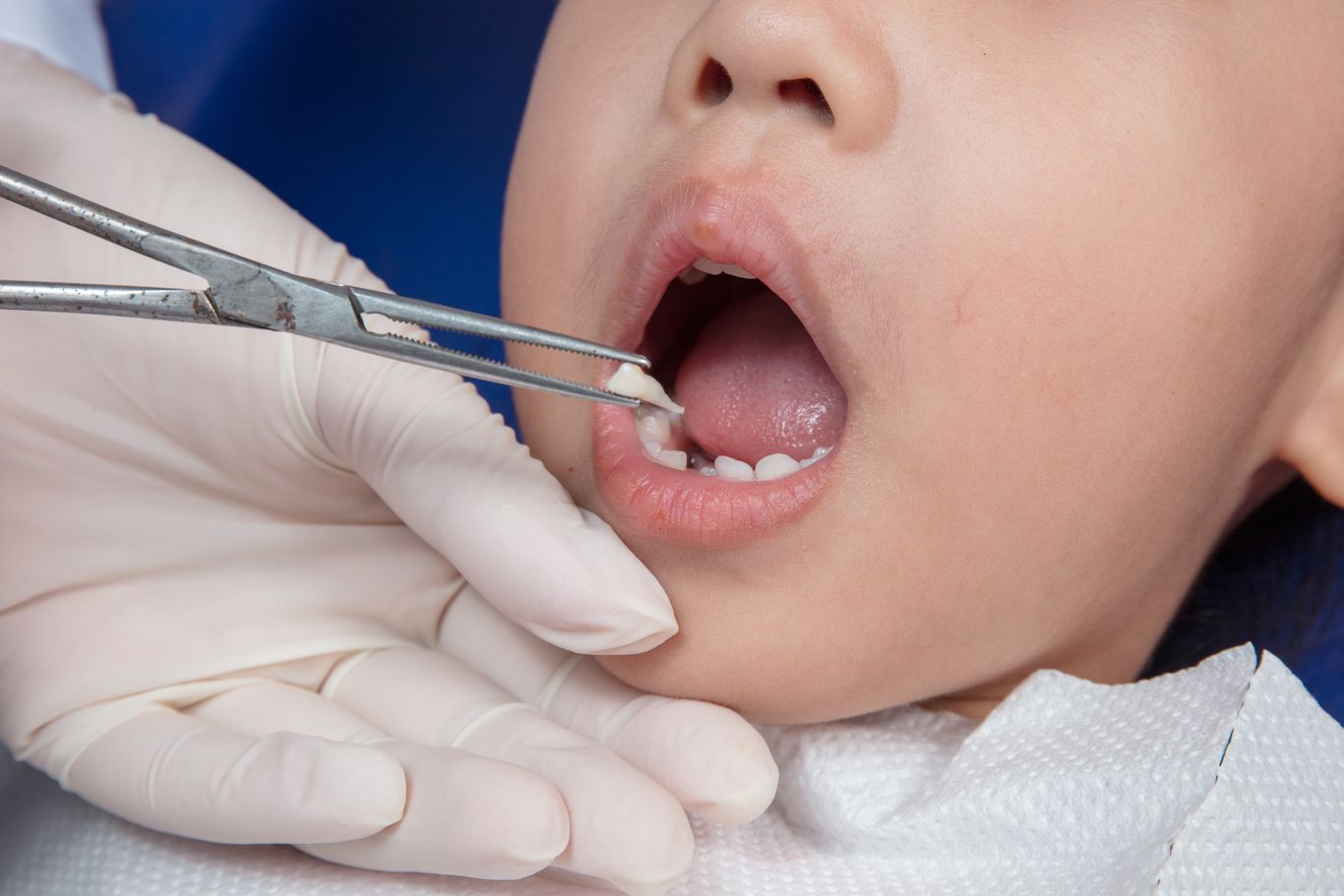
When a child needs a tooth extraction, it is completely normal for parents to feel nervous. Many moms and dads immediately picture discomfort, fear, or a difficult experience in the dental chair. The good news is that modern pediatric dentistry has made tooth extractions far more comfortable and gentle than most parents expect. At Kids City Dental, helping children feel safe and calm during treatment is a major priority.
For many children, a tooth extraction is quicker and easier than getting a filling. Pediatric dentists are specially trained to work with growing smiles, manage anxiety, and create a positive experience for kids of all ages. If your child has been told they may need a tooth removed, understanding the process can help ease concerns and prepare your family for what to expect.
Why Would a Child Need a Tooth Extraction?
Children sometimes need tooth extractions for reasons that support their long term oral health. Baby teeth are meant to fall out naturally, but occasionally a tooth may need help coming out at the right time.
A pediatric dentist may recommend extraction if a tooth is severely decayed, damaged after trauma, infected, or preventing adult teeth from erupting properly. In some situations, extractions are also part of orthodontic planning to reduce crowding or create room for permanent teeth.
One common reason for extraction is when a baby tooth refuses to loosen even though the permanent tooth is already coming in behind it. Parents sometimes call these “shark teeth.” Removing the stubborn baby tooth often allows the adult tooth to move into the proper position naturally.
Another reason involves infection. If decay reaches the nerve of the tooth and treatment is no longer predictable, extraction may be the healthiest option to protect surrounding teeth and tissues.
What does tooth extraction involve?
Many parents ask, “What does tooth extraction involve?” The process is usually much more straightforward than expected.
The first step is a careful examination. Your child’s pediatric dentist will take digital X rays to evaluate the tooth, roots, surrounding bone, and nearby permanent teeth. This helps determine the safest and most comfortable way to remove the tooth.
Before the extraction begins, the area is numbed thoroughly with local anesthetic. Pediatric dentists use techniques designed specifically for children to minimize discomfort during this step. In many cases, children feel only slight pressure or vibration during the extraction itself.
Depending on your child’s age, anxiety level, and treatment needs, additional comfort options may also be recommended. Nitrous oxide, commonly called laughing gas, is frequently used in pediatric dentistry to help children relax during treatment. It wears off quickly and allows most kids to return to normal activities afterward.
Once the tooth and surrounding area are numb, the dentist gently loosens and removes the tooth. Baby teeth are often easier to remove than adult teeth because their roots are smaller and naturally dissolve over time as permanent teeth develop underneath.
After the tooth is removed, gauze is placed over the area to help form a blood clot and begin healing. In most pediatric extractions, the appointment is relatively short.
Is it painful?
The question most parents and children want answered is simple: “Is it painful?”
The extraction itself should not be painful because the tooth and surrounding tissues are completely numbed beforehand. Children may feel pressure, movement, or pushing sensations during the procedure, but they should not feel sharp pain.
In fact, many children are surprised by how fast the process goes. Pediatric dentists use child friendly communication techniques to keep kids informed without creating fear. Calm reassurance and gentle care can make a tremendous difference in how children perceive treatment.
After the numbness wears off, mild soreness is normal for a day or two. However, discomfort is typically manageable with rest and standard pain relief recommendations from the dentist. Many children recover quickly and return to normal routines sooner than parents expect.
The emotional aspect is often more significant than the physical discomfort. Some children feel anxious simply because the experience is unfamiliar. That is why choosing a caring Kids City Dental team experienced with pediatric care can make all the difference.
Helping Kids Feel Comfortable Before the Appointment
Parents play an important role in helping children feel calm before a dental extraction. The words you use matter. Try to avoid alarming phrases such as “This is going to hurt” or “Don’t be scared.” Even well meaning comments can accidentally increase anxiety.
Instead, focus on reassuring language. You can explain that the dentist is going to help their tooth feel better and that their mouth will become sleepy during the procedure.
Reading children’s books about visiting the dentist or role playing a dental visit at home may also help younger children feel more prepared. Staying calm yourself is important too, because children often pick up on parental emotions.
If your child has significant dental anxiety, discussing this openly with your pediatric dentist beforehand can help the team tailor the visit appropriately.
What Happens After the Extraction?
After the procedure, your child’s mouth will likely remain numb for a few hours. During this time, parents should monitor children carefully to prevent accidental biting of the cheeks, lips, or tongue.
Soft foods are usually recommended for the remainder of the day. Yogurt, applesauce, smoothies, mashed potatoes, soup, scrambled eggs, and pasta are often comfortable options while healing begins.
Children should avoid drinking through straws immediately after extraction because suction can interfere with the blood clot that protects the area. Crunchy or hard foods may also irritate the site during early healing.
Some mild bleeding or oozing during the first several hours is normal. The gauze provided by the dental office helps manage this.
Follow-Up Care for Tooth Extractions
Proper healing is important after any dental extraction. Fortunately, children typically heal very quickly.
Follow-Up Care for Tooth Extractions usually focuses on keeping the area clean while protecting the healing tissue. Parents should encourage gentle brushing around the extraction site while avoiding aggressive rinsing for the first day.
Most children can resume normal brushing and oral hygiene routines quickly. Keeping the mouth clean reduces the risk of infection and supports faster recovery.
Swelling is usually mild after pediatric extractions, but a cool compress on the outside of the face may help if needed. Your dentist may recommend over the counter children’s pain relievers based on your child’s age and medical history.
Activity restrictions are generally minimal, although vigorous sports or rough play may be discouraged for the first day depending on the procedure.
Children often bounce back surprisingly fast. Many are back to school and regular activities within 24 hours.
Replacing an Extracted Tooth
Parents are often concerned about whether a missing tooth will affect their child’s smile or bite. The answer depends on which tooth was removed and the child’s stage of development.
Replacing an Extracted Tooth is not always necessary when a baby tooth is removed close to its normal shedding time. However, if a baby tooth is lost too early, the dentist may recommend a space maintainer.
A space maintainer is a small appliance that helps preserve room for the permanent tooth developing underneath. Without adequate space, nearby teeth may drift into the gap and create alignment issues later.
If a permanent tooth must be extracted due to trauma or severe damage, replacement options may eventually be discussed depending on the child’s age and growth.
Your pediatric dentist will evaluate your child’s bite, development, and long term dental goals before making recommendations.
Signs Healing Is Going Normally
Parents sometimes worry about every small symptom after an extraction. Fortunately, most healing is uncomplicated.
Normal signs after pediatric extraction may include:
- Mild soreness for a few days
- Slight swelling
- Minor oozing during the first day
- Tenderness while chewing
- Temporary numbness after the appointment
Children often improve steadily over the first 48 hours. Appetite and comfort usually return quickly.
When to Call Your Dentist
Although complications are uncommon, parents should know When to Call Your Dentist after a tooth extraction.
You should contact your pediatric dentist if your child experiences:
- Heavy bleeding that does not improve
- Severe swelling
- Fever
- Significant pain that worsens instead of improving
- Difficulty swallowing
- Signs of infection such as pus or unusual odor
- Persistent numbness long after the appointment
Most post extraction concerns are minor and manageable, but your dental team would rather answer questions early than have parents worry at home unnecessarily.
At Kids City Dental, families are encouraged to reach out if anything seems unusual during recovery.
Why Pediatric Dentists Approach Extractions Differently
Children are not simply small adults. Pediatric dentistry requires specialized training in child development, communication, behavior guidance, and growing dental anatomy.
A skilled pediatric dentist understands how to explain procedures in age appropriate ways, recognize signs of anxiety, and create positive dental experiences. This is especially important for treatments like extractions that may sound intimidating to children.
The office environment also matters. Bright, welcoming pediatric dental spaces help children feel more relaxed from the moment they arrive.
Creating positive dental experiences early in life can shape how children feel about dental care for years to come. When kids feel safe and supported, they are more likely to maintain healthy oral habits and attend future appointments confidently.
Common Questions Parents Ask About Kids Tooth Extractions
Parents often wonder whether they should stay in the room during the extraction. In many cases, pediatric dental offices allow parents to remain nearby, although recommendations may vary depending on the child’s behavior and comfort level.
Another common question is whether children can attend school afterward. Most children can return to school the next day, although some parents prefer to schedule appointments later in the day so their child can rest afterward.
Parents also frequently ask whether antibiotics are needed. In many routine extractions, antibiotics are unnecessary unless there is active infection or another medical concern.
Some families are surprised to learn how quickly children adapt after losing a tooth. Young patients are often far more resilient than adults anticipate.
Kids Tooth Extractions in Brighton
If your child needs an extraction, finding a compassionate provider matters. Families searching for Kids Tooth Extractions in Brighton want a dental team that combines clinical skill with patience and child centered care.
At Kids City Dental, the focus is not only on removing a tooth safely but also on helping children feel comfortable throughout the process. Every child is different, and treatment is tailored to their age, personality, and emotional needs.
Parents in Brighton appreciate having access to pediatric dental care that emphasizes communication, comfort, and long term oral health.
Choosing a Brighton Pediatric Dentist
Choosing the right Brighton Pediatric Dentist can make a major difference in your child’s experience with dental care.
Parents should look for a practice that prioritizes education, gentle treatment techniques, and clear communication. A positive pediatric dental environment helps reduce fear and builds trust between children and dental professionals.
Whether your child needs an extraction because of decay, crowding, trauma, or delayed baby tooth loss, modern pediatric dentistry offers safe and comfortable solutions designed specifically for young patients.
Most importantly, parents should remember that while the idea of extraction sounds intimidating, the actual experience is often much easier than expected. With the right pediatric dental team, children can move through treatment confidently and return quickly to smiling, eating, and enjoying everyday life.