
Growing kids rarely slow down. Between school in the Brighton 27J district, soccer at Donelson Park, and weekend bike rides along the South Platte River Trail, many families in Brighton, Colorado juggle packed schedules. In the middle of it all, daily dental care sometimes becomes one more item squeezed into a busy morning or late evening. That is why understanding the importance of early dental care and how to protect your child’s smile throughout all that activity can make everyday routines a lot smoother.
This guide brings together practical advice, locally relevant tips, and insight from the perspective of a Brighton pediatric dentist. It is written for parents who want simple, real-life ways to keep their child’s smile healthy while managing a full family calendar.
Why Early Dental Care Matters for Active Families
Healthy habits that begin early tend to last. The first few years of life are when kids learn brushing, start recognizing the dentist as a positive place, and develop the confidence to care for their own teeth. The importance of early dental care shows up in several ways. Baby teeth hold space for permanent teeth, guide speech development, and help kids chew foods needed for growth. Strong habits during preschool and elementary years often reduce a child’s risk of cavities during sports seasons and busy school weeks when snacks and drinks can become more frequent.
Families in Brighton often start dental visits around the child’s first birthday or when the first tooth appears. These early appointments create a foundation that helps children feel comfortable during later checkups, which is especially valuable for active kids who may need extra monitoring as they grow.
First Dental Visits and What Busy Parents Can Expect
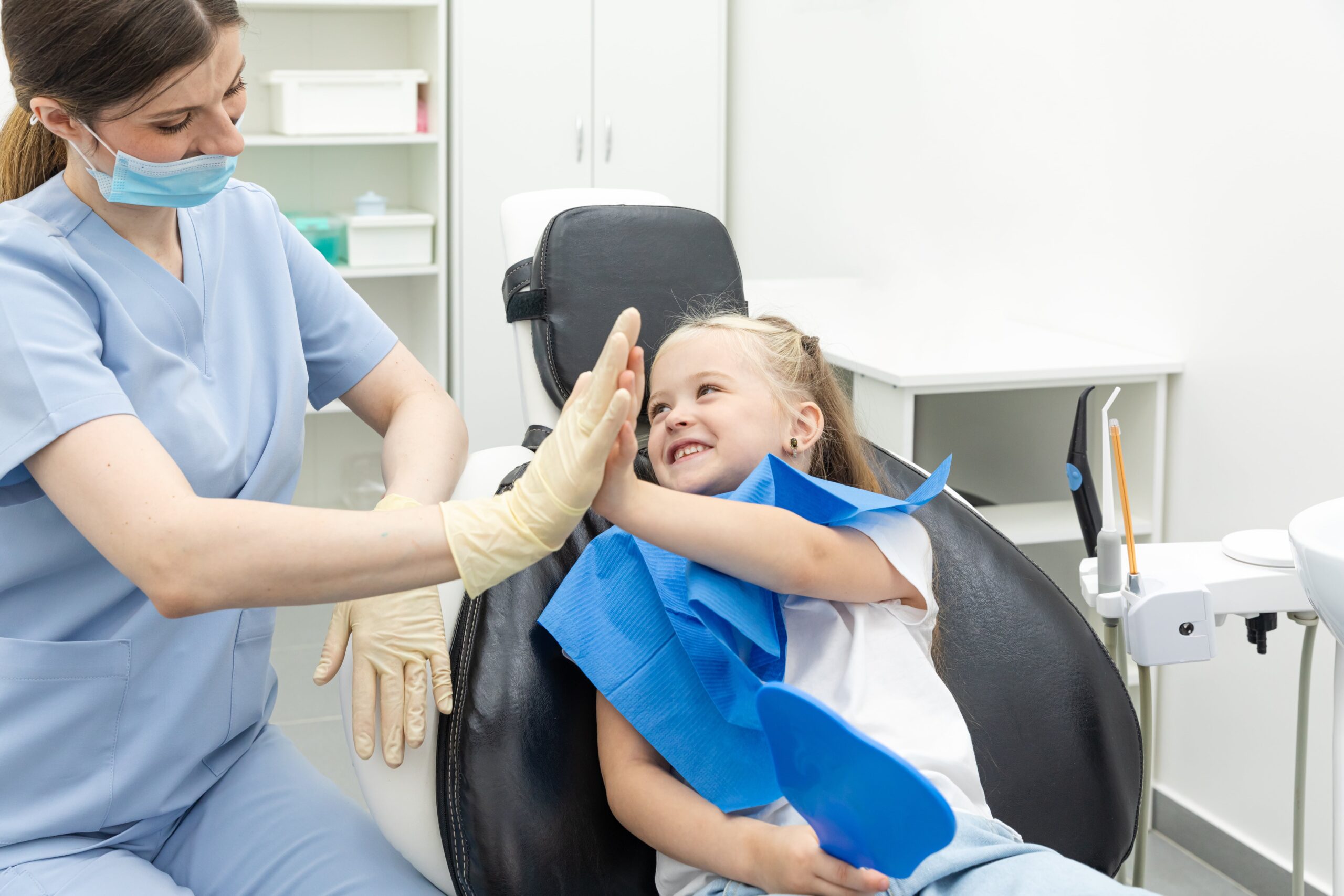
A child’s first visit at Kids City Dental usually lasts around 30 minutes. During this time, parents stay with their child while the dentist checks early tooth development, evaluates the bite, and talks through daily routines. The visit is designed to be calm and friendly because early comfort is a large part of long-term dental confidence.
For families rushing between commitments, knowing the structure of the visit helps. There is typically a quick introduction, a discussion about brushing habits at home, and a gentle exam. If a child is old enough, a short cleaning may also be completed. Parents can ask questions about thumb-sucking, pacifier use, and fluoride during regular visits. These conversations become especially helpful as kids get older and busier because the dentist can tailor advice based on a child’s daily schedule, comfort level, and activity level.
Daily Dental Hygiene Practices That Fit Busy Schedules
Most families aim for brushing twice a day, although mornings tend to be the most challenging. Kids rushing to catch the bus on Bridge Street or finishing breakfast on the way to school might brush too quickly or skip flossing. A few small adjustments often keep things on track.
Keeping brushes and toothpaste accessible helps. Some parents create a brushing station in the kitchen for mornings because that is where kids already are. Others keep an extra set of supplies in the car for emergencies, especially during sports seasons. Even with a full schedule, brushing for two minutes twice a day and flossing once a day supports strong enamel and prevents buildup that leads to cavities.
Proper Brushing Techniques Kids Can Learn Early
Kids usually need help brushing until around age eight because their coordination continues to develop. Teaching proper brushing techniques while they are young supports healthier habits later.
A simple approach works well. Show them how to angle the toothbrush toward the gumline at about 45 degrees. Short, gentle strokes clean more effectively than scrubbing. Many families find that brushing together makes the learning process easier. Kids often copy the pace and pattern of the adult next to them. Using small, soft-bristled brushes designed for children also improves comfort and control.
Why Flossing Matters for Children
Even baby teeth benefit from flossing. The role of flossing becomes clearer once kids start eating chewier or stickier foods that can settle between teeth. By age six or seven, most children have enough dexterity to try flossing on their own, although supervision helps until they are consistent and thorough.
Parents often ask how to introduce flossing without turning it into a nightly debate. One helpful strategy is to floss only the teeth that touch. Most preschoolers have spacing between their teeth, so flossing every single space is not necessary. As permanent teeth arrive, flossing should cover all contact points to keep gums healthy.
Nutrition and Dental Health for Active Kids
Food choices play a meaningful role in your child’s smile. Busy days in Brighton sometimes mean snacks on the go, quick sports drinks during practice, or celebratory treats after games at Benedict Park. These habits are perfectly normal, but understanding how foods affect teeth helps parents make adjustments when needed.
Sticky snacks linger on enamel longer than crisp fruits or vegetables. Drinks with added sugar also increase the risk of cavities because they bathe the teeth for extended periods. Encouraging water between meals and limiting sugary beverages to mealtimes helps reduce these risks. The goal is not to eliminate treats entirely but to pair them with smart routines that protect teeth.
Foods to Encourage for Healthy Teeth
Some foods naturally support oral health. Apples, carrots, and bell peppers create a gentle scrubbing effect as kids chew. Cheese and yogurt offer calcium and phosphorus that strengthen enamel. Whole grains and lean proteins help kids stay full during long school or sports days without relying on sugary snacks.
Brighton families can find convenient, tooth-friendly snack options at local grocery stores along Prairie Center Parkway. Many parents prepare small containers of cut fruit or cheese cubes the night before school to make mornings quicker.
Foods to Avoid or Limit When Possible
No food needs to be banned, but some items are better in moderation. Sticky candies cling to enamel. Gummy vitamins can create the same issue. Sports drinks, fruit punch, and soda introduce sugar and acidity that weaken enamel over time.
If your child enjoys these treats, pairing them with water afterward or consuming them during mealtimes lowers the impact. Rinsing with water is especially helpful for kids who wear mouthguards during sports because debris often gets trapped inside.
Addressing Common Dental Issues in Active Children
Active kids tend to experience a predictable range of dental concerns as they grow. Understanding how to manage small problems at home and when to see the dentist gives parents peace of mind.
Cavities, sensitivity, and early orthodontic needs often appear between ages seven and twelve as permanent teeth arrive. Families who schedule regular checkups, ideally every six months, give their dentist the chance to monitor tooth development closely and catch changes early.
Understanding Tooth Decay and Cavities
Tooth decay often develops slowly. Sugars and starches left on teeth feed the bacteria that produce acids, weakening enamel. Cavities form when this breakdown progresses. Kids with busy routines sometimes snack more frequently, which creates more opportunities for acid attacks.
Children in Brighton commonly see their first cavity between first and third grade, simply because permanent molars erupt around age six and are harder to keep clean. Sealants recommended by the dentist can help protect those deep grooves. Brushing the back teeth carefully and flossing daily makes a noticeable difference.
Preventing Dental Injuries in Sports
Brighton is home to active youth sports, from baseball at Brighton Sports Complex to flag football and gymnastics. Injuries can happen in any sport, not only contact ones. A custom mouthguard protects teeth, lips, and the soft tissue around the gums. Over-the-counter options are helpful but do not always fit securely, which makes kids less likely to wear them.
A dentist-made mouthguard fits snugly and allows kids to breathe and speak comfortably during games. Kids City Dental often recommends them once permanent teeth begin to come in so the fit is stable through a season.
The Benefits of Regular Dental Checkups
Six-month checkups help children stay on track by giving the dentist a clear view of changes in enamel, gums, and tooth position. Regular cleanings remove plaque kids cannot always reach on their own. The dentist also checks for early signs of crowding, bite issues, or alignment concerns.
For busy families in Brighton, these visits often double as education sessions. Parents can get quick guidance on habits that may be slipping, such as brushing technique or snacking patterns during long school days.
Monitoring Growth and Development
As kids grow, their jaws, teeth, and bite alignment change. These changes are sometimes subtle. A dentist tracks them over time and notes shifts that may need attention. Crowding often becomes visible during the transition from baby teeth to permanent molars. Spacing, early loss of baby teeth, and habits such as thumb-sucking also influence development.
Monitoring these patterns helps guide orthodontic considerations later. Early awareness gives kids more options because addressing alignment at the right time reduces the need for complex corrections.
Orthodontic Considerations for Growing Kids
Orthodontic evaluations usually begin around age seven. This does not mean braces are needed at that age. Instead, the dentist looks at how the jaw is developing and how the permanent teeth are positioned. Some kids benefit from early intervention if there are concerns with bite function or crowding that could worsen as they grow.
Brighton families often appreciate early information because it helps them plan both timing and costs. Understanding whether braces or aligners may be needed later gives parents confidence and prevents surprises.
Fun and Engaging Dental Care Techniques
Kids respond well to routines that feel playful. Turning daily hygiene into something enjoyable builds consistency without constant reminders. Music, interactive storytelling, and simple reward systems help younger children stay engaged.
Kids City Dental encourages parents to tailor routines to a child’s personality. Some kids like brushing charts on the fridge. Others prefer a two-minute song. A child who loves art may respond well to choosing toothbrush colors or creating a decorated container for floss.
Making Toothbrushing Enjoyable at Home
For younger children, brushing can feel like one more chore. When parents turn it into a shared task, kids participate more willingly. Some families brush together before story time. Others use a timer shaped like a small hourglass, which keeps the visual focus on the sand instead of the clock. Changing toothbrushes every three months adds excitement because kids get to choose a new color or theme several times a year.
Educational Games and Resources for Kids
Brighton parents often look for educational tools that help kids understand why dental care matters. Age-appropriate videos, coloring pages, and storybooks focused on dental visits can reduce anxiety and increase curiosity. Many families include these materials in nighttime reading routines or keep them available during quiet time.
A helpful idea is to let kids practice brushing on a stuffed animal with soft teeth. This playful method helps them understand brushing angles and motions without pressure.
How a Brighton Pediatric Dentist Supports Families
Pediatric dentists design their care around a child’s comfort, development, and behavior. Their training includes child psychology, growth patterns, and ways to help kids feel safe during visits. Families in Brighton trust this specialty because it supports each stage of a child’s dental journey.
Kids City Dental combines clinical training with a familiar, friendly environment. The team understands the fast pace of family life and offers guidance that fits real schedules. Whether your child is starting their first sport or managing a mix of school, music, and weekend activities, your dentist becomes a partner in keeping those teeth healthy.
Ready to Support Your Family’s Healthy Routine?
If your child is due for a checkup or you want guidance on dental habits for busy schedules, Kids City Dental welcomes families throughout Brighton, Henderson, and nearby communities. You can schedule an appointment at a time that works best for you, including after-school availability throughout the week.
Healthy smiles grow stronger with steady habits, encouraging guidance, and a team that understands how active childhood can be. Kids City Dental is here to support your family every step of the way