
If your child has a cavity or a damaged tooth, the first question many parents ask is simple. Does my child need a filling, or is a crown the better option? Both treatments are common in pediatric dentistry, and both can protect a child’s tooth when used at the right time. The difference comes down to how much of the tooth is affected, how long it needs to last, and how your child’s mouth is developing.
At Kids City Dental in Brighton, CO, we spend a lot of time walking parents through these decisions. A filling may be all that’s needed for a small cavity. In other situations, a crown can provide stronger protection and help a tooth stay healthy until it is ready to fall out naturally. Understanding the “why” behind the recommendation can make the decision feel far less stressful.
This article explains how fillings and crowns work, when a crown might be the better choice, and why many families in Brighton choose crowns for certain situations. It also gives insight into our gentle approach to restorative care, especially for young patients who may feel nervous about dental treatment.
Fillings vs. Crowns: What’s the Difference?
A dental filling repairs a tooth by removing the decayed area and replacing it with a restorative material. In children, fillings are often made from tooth colored composite materials that blend naturally with the tooth. Fillings work best when decay is limited to a small area and the remaining tooth structure is strong.
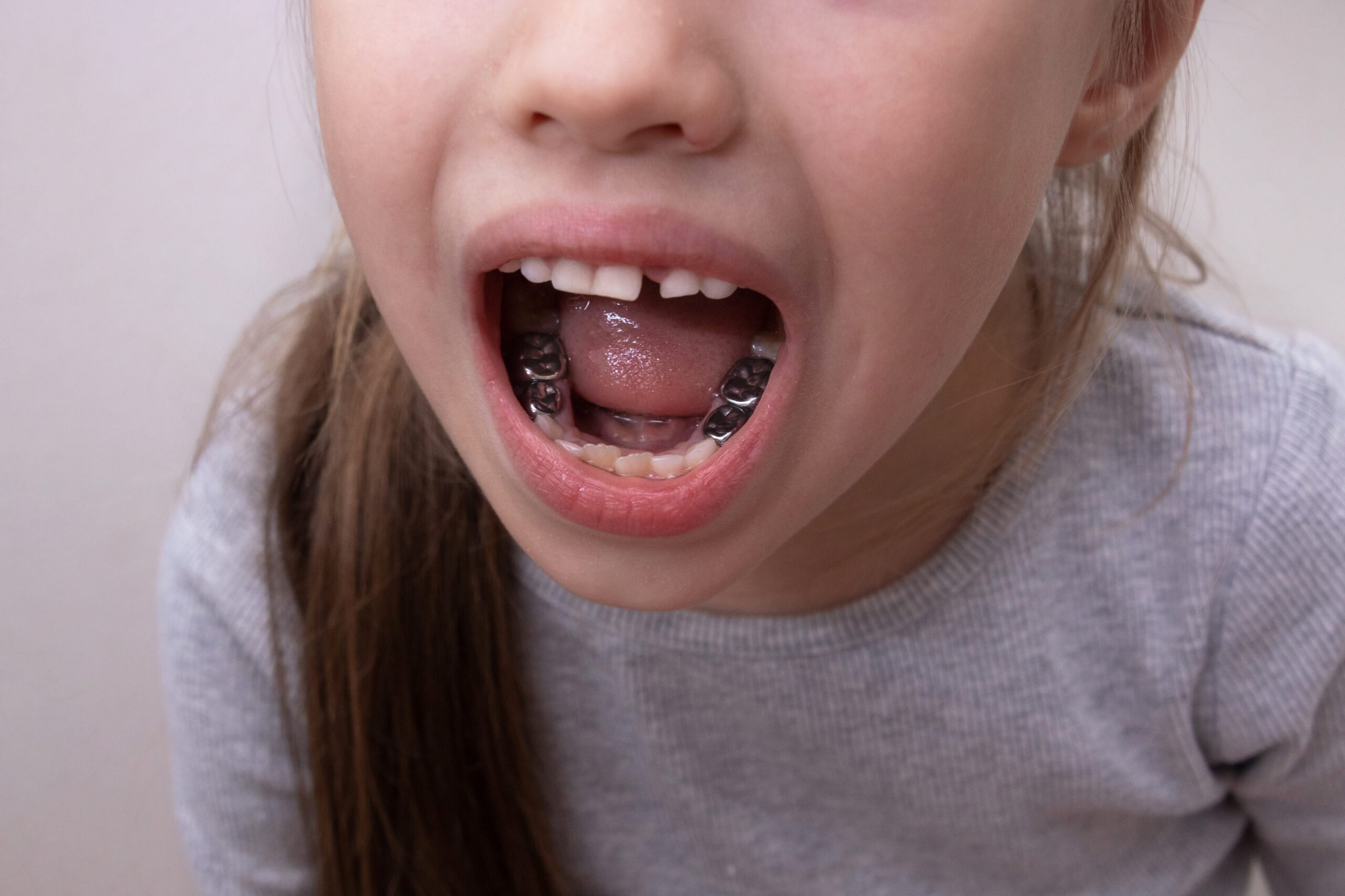
A dental crown, on the other hand, covers the entire tooth above the gumline. Instead of just filling in a damaged spot, the crown acts like a protective cap. For children, crowns are commonly made from stainless steel or tooth colored materials, depending on the tooth and the location in the mouth.
The key difference is coverage and strength. A filling restores part of a tooth. A crown protects the whole tooth. When decay or damage is more extensive, a crown can often last longer and reduce the risk of future problems.
For parents comparing fillings vs. crowns, what’s the difference often comes down to how much healthy tooth is left and how much stress that tooth will be under from chewing and grinding.
Why Baby Teeth Matter More Than Many Parents Realize
Some parents are surprised when a kids dentist in Brighton recommends a crown for a baby tooth. After all, baby teeth eventually fall out. The timing, however, matters a great deal.
Primary teeth help children chew properly, speak clearly, and guide permanent teeth into the correct position. A back baby tooth might stay in place until age ten or even twelve. If that tooth is weakened early and lost too soon, nearby teeth can shift. This can increase the chances of crowding or orthodontic issues later.
When a baby tooth has significant decay, a crown can help preserve that space and function for several years. In many cases, this prevents more complex treatment down the road.
When a Crown Might Be the Better Choice
There are several situations where a crown offers clear advantages over a filling. One of the most common is when a cavity is large. If decay affects multiple surfaces of a tooth, a filling may not have enough healthy structure to bond to. In these cases, fillings are more likely to crack, wear down, or fall out.
Another situation involves teeth that have already had a filling but continue to break down. Some children have softer enamel or are more prone to cavities due to diet, oral hygiene challenges, or medical factors. When a tooth has needed repeat fillings, placing a crown can provide longer lasting protection.
Crowns are also commonly recommended after a pulpotomy, which is similar to a partial root canal for baby teeth. This procedure removes infected tissue from inside the tooth while preserving the roots. After this type of treatment, the remaining tooth structure is often fragile. A crown helps seal and protect it so bacteria cannot re enter.
Children who grind their teeth or have strong bite forces may also benefit from crowns on certain teeth. Fillings in these situations can wear down quickly. A crown can better handle the pressure of daily chewing.
Esthetics and Function in Pediatric Crowns
Parents often worry about how a crown will look, especially if it is placed on a visible tooth. While stainless steel crowns are commonly used on back molars where they are not easily seen, tooth colored crowns are an option for front teeth or when appearance is a top concern.
Esthetics matter, but function always comes first. A crown that keeps a tooth healthy and comfortable is usually the best choice, even if it looks different from a natural tooth. That said, advances in materials have given families more options than ever before, allowing many crowns to blend in naturally with a child’s smile.
Your childrens dentist in Brighton will talk through these options and explain what works best for your child’s specific needs.
Why Parents Often Choose Crowns
Many parents who initially feel hesitant about crowns end up feeling relieved after learning the benefits. One of the biggest reasons parents choose crowns is durability. A crown is less likely to need replacement, which means fewer dental visits and less stress for both the child and the parent.
Crowns can also reduce the risk of pain or infection returning. When decay is fully covered and sealed, bacteria have fewer places to hide. This can be especially important for younger children who may struggle with brushing thoroughly.
Another reason is predictability. A crown often provides a more reliable outcome for teeth with extensive damage. Parents appreciate knowing that the treatment is designed to last until the tooth naturally falls out.
For busy families in Brighton, avoiding repeat dental work is a major advantage. Choosing a crown can mean fewer interruptions to school, sports, and family routines.
What the Appointment Is Like for a Child
One common concern parents share with a kids dentist in Brighton is how their child will handle the procedure. The good news is that placing a crown on a child’s tooth is usually straightforward and efficient.
The visit typically begins with numbing the area so the child stays comfortable. The dentist removes decay and shapes the tooth to fit the crown. The crown is then placed and secured in the same appointment. For many children, the process is no more stressful than getting a filling.
At Kids City Dental, we use age appropriate explanations and a calm, friendly approach to help children feel at ease. Many kids are surprised by how quick the appointment feels.
Our Gentle Approach to Restorative Care
Every child is different. Some are confident in the dental chair, while others need extra reassurance and patience. Our gentle approach to restorative care focuses on meeting children where they are emotionally and developmentally.
We take time to explain procedures in simple terms, using words that make sense to kids. Parents are encouraged to ask questions and stay involved in the decision making process. When appropriate, we offer comfort options to help anxious children relax during treatment.
This approach helps build trust early, which can shape how a child feels about dental care for years to come. Many families tell us that their child’s confidence grows with each visit.
Crowns for Baby Teeth vs. Permanent Teeth
Crowns can be used on both baby teeth and permanent teeth, but the reasons may differ. For baby teeth, the goal is often preservation. The crown protects the tooth until it is ready to fall out naturally.
For permanent teeth in children and teens, crowns may be used after trauma, severe decay, or developmental defects in the enamel. In these cases, the crown supports long term oral health and function.
Dental crowns for kids in Brighton are carefully selected based on age, tooth location, and how long the tooth is expected to remain in the mouth. Your dentist will explain whether a crown is intended as a temporary solution or part of a longer term plan.
Are Crowns Always Necessary?
Not every cavity requires a crown. Small cavities caught early often do very well with a simple filling. Preventive care, including regular checkups and cleanings, plays a big role in keeping treatment minimal.
If you ever feel unsure about a recommendation, it is reasonable to ask questions. A trusted kids dentist in Brighton will explain why a certain option is suggested and what alternatives exist. The goal is always to choose the least invasive treatment that still protects your child’s oral health.
Helping Your Child Care for a Crown
Once a crown is placed, caring for it is simple. Regular brushing twice a day and flossing once a day are usually enough. Crowns are strong, but they are not indestructible. Chewing on ice or hard objects should be avoided, just as it should be for natural teeth.
Routine dental visits allow your dentist to monitor the crown and surrounding teeth. If a crown ever feels loose or causes discomfort, it is important to schedule an appointment promptly.
Most children quickly forget they even have a crown, which is often a sign that it is doing its job well.
Choosing the Right Treatment for Your Child
Deciding between a filling and a crown is not about choosing the most aggressive option. It is about choosing the one that best supports your child’s comfort, oral health, and development.
For some children, a filling is the perfect solution. For others, a crown offers protection that a filling simply cannot provide. By understanding when a crown might be the better choice, parents can feel more confident and informed.
If you are looking for a childrens dentist in Brighton who takes the time to explain options clearly and treat kids with patience and care, Kids City Dental is here to help. Whether your child needs a small filling or dental crowns for kids in Brighton, our team focuses on creating positive experiences and healthy smiles that last.